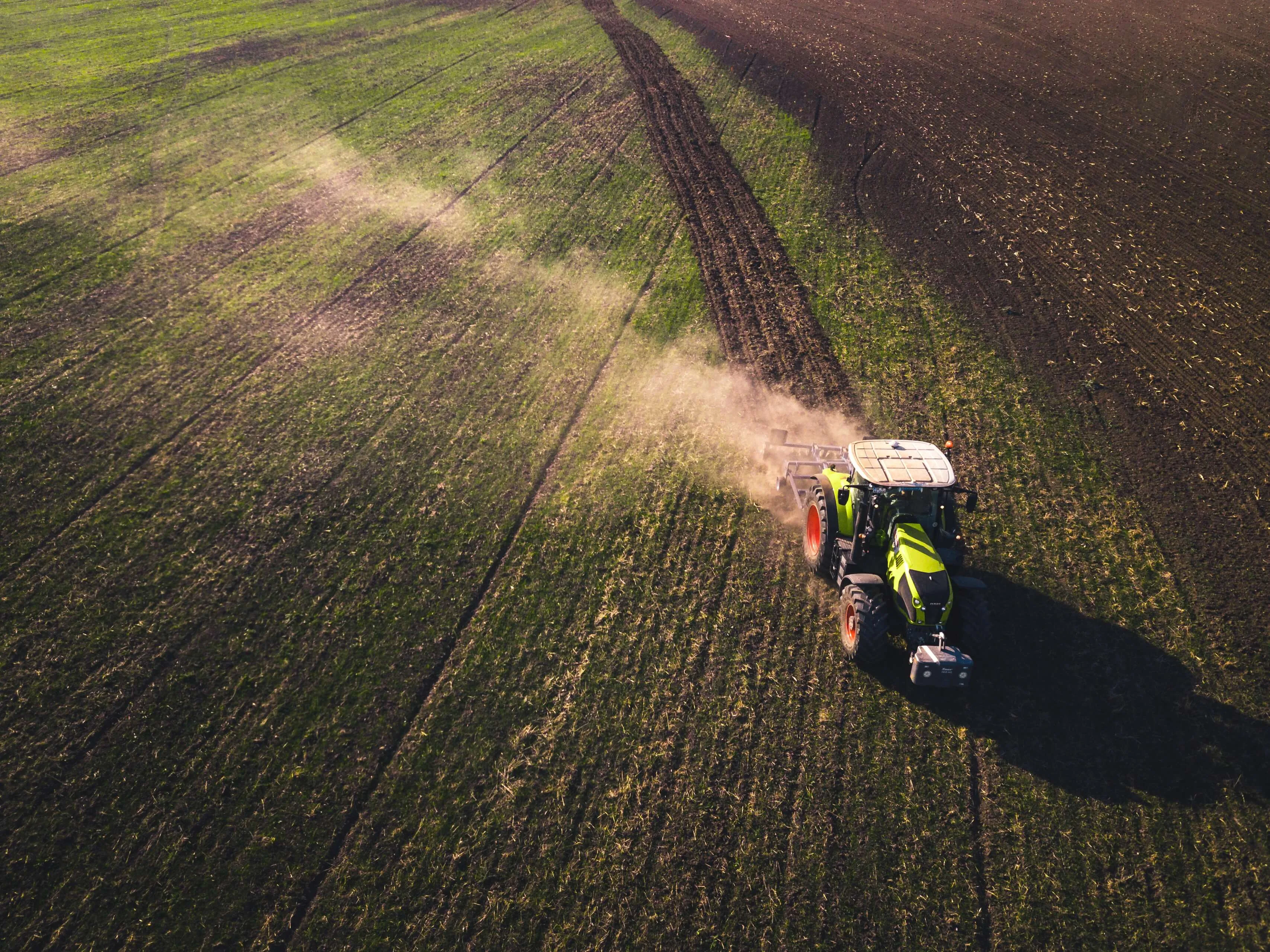
Modern agriculture demands efficiency and security for sustained productivity. GPS tracking technology enables farmers to monitor and manage equipment and vehicles, strengthening security, streamlining operations, and cutting expenses. This guide examines GPS tracker varieties suitable for agricultural applications, how to choose the right system, and what to expect when setting one up.
Why GPS Tracking Matters in Agriculture
Agricultural machinery like tractors, harvesters, and irrigation systems represent substantial capital investments. A single equipment loss disrupts operations significantly. GPS tracking enables farmers to:
- Prevent theft – Monitor location and establish geofences that trigger alerts when equipment leaves authorized zones
- Improve efficiency – Track fuel usage, operating hours, and travel patterns to maximize resource utilization
- Reduce operational costs – Detect wasteful practices and minimize unnecessary fuel consumption or idle time
Selecting appropriate GPS solutions depends on connectivity availability, operational expenses, and integration compatibility with existing farm management systems.
Types of GPS Trackers for Farm Equipment
1. GSM-Based GPS Trackers
Commercial GPS trackers typically use GSM networks to relay location data to base stations. While functional in populated regions, GSM-based systems prove problematic for farms because:
- Limited network coverage – Remote farm locations frequently lack adequate GSM signal strength
- Ongoing costs – Monthly cellular network subscriptions increase long-term expenses
GSM trackers offer real-time tracking and cloud software integration but depend on cellular infrastructure that many rural operations lack.
2. LoRa & RF-Based GPS Trackers
Long Range (LoRa) and Radio Frequency (RF) GPS trackers suit agricultural environments better, functioning independently from GSM infrastructure. These systems provide:
- No monthly fees – Single device purchase with no recurring network charges
- GSM independence – Suitable for remote farms with inadequate or absent cellular coverage
- Developer accessibility – Open-source LoRa options integrate with customized farm software
Limitations of LoRa & RF Systems:
- Limited range – Transmitter and receiver must operate within defined distances (approximately 20 km in clear conditions)
- Setup requirements – Unlike plug-and-play GSM solutions, LoRa and RF systems require dedicated receiver hardware
For remote agricultural operations, LoRa-based trackers like Loko provide extended-range communication without internet dependency.
How to Choose the Right GPS Tracker for Your Farm
No single GPS solution fits every agricultural operation. The right choice depends on four key factors:
- Cellular coverage – If your fields have consistent LTE/4G signal, a GSM tracker offers instant cloud access with no infrastructure to manage. If coverage is patchy or absent, LoRa is the reliable choice.
- Number of assets – LoRa scales efficiently: one base station covers an entire property, and each additional tracker costs only the device price with no extra subscription. GSM costs multiply with each unit.
- Budget – GSM trackers carry ongoing costs ($5–$20/device/month). LoRa trackers like Loko are a one-time purchase with no recurring fees — break-even typically occurs within the first year compared to a GSM subscription.
- Real-time requirements – If you need live tracking from anywhere in the world via a phone, GSM is more convenient out of the box. LoRa requires a local base station within range, but works completely offline and privately.
Setting Up GPS Tracking on Your Farm: What to Expect
Installing a LoRa-based GPS tracking system on a farm is straightforward and does not require professional installation:
- Install the base station – Place a LoRa gateway or receiver at a central elevated point (barn roof, silo, hilltop) to maximize range. A single gateway typically covers a 10–20 km radius in open terrain.
- Attach trackers to equipment – Compact trackers like Loko can be mounted discreetly on any asset. They run on a built-in rechargeable battery (up to 1 year per charge) and require no wiring.
- Monitor via software – Positions are displayed in real-time on a local map. Set geofence alerts so you're notified immediately if equipment moves outside a defined boundary.
The entire system operates on your own private radio network — no internet connection required for the trackers themselves, and no third-party server dependency.
Frequently Asked Questions
Do GPS trackers for farm equipment require a monthly subscription?
GSM/cellular trackers require a monthly data plan ($5–$20/device). LoRa-based trackers have no monthly fees — you own the infrastructure. For farms with multiple assets, this difference compounds quickly over time.
Can GPS trackers work on farms without cell service?
Yes. LoRa GPS trackers communicate directly with a base station on your property, completely bypassing the cellular network. They are specifically designed for remote and rural environments where GSM coverage is unreliable.
How far can a LoRa GPS tracker reach on a farm?
In open agricultural terrain, a LoRa tracker can reliably communicate with a base station up to 15–20 km away. For most farms, a single strategically placed gateway is sufficient to cover the entire operation.
What equipment can be tracked?
Tractors, harvesters, trailers, ATVs, generators, irrigation pumps, and any other movable asset. Battery-powered trackers attach without wiring and are small enough to conceal on most equipment.
Conclusion
GPS tracking technology offers significant benefits for modern farming operations. Whether you choose GSM-based or LoRa/RF systems depends on your cellular coverage, number of assets, and budget. For farms in remote areas without reliable cellular coverage, LoRa-based solutions provide a cost-effective, infrastructure-independent alternative — with no monthly fees and range that covers entire properties from a single base station.